Nepal Rolls Out 5th National Tiger Survey to Review Population Trends and Conservation Gains
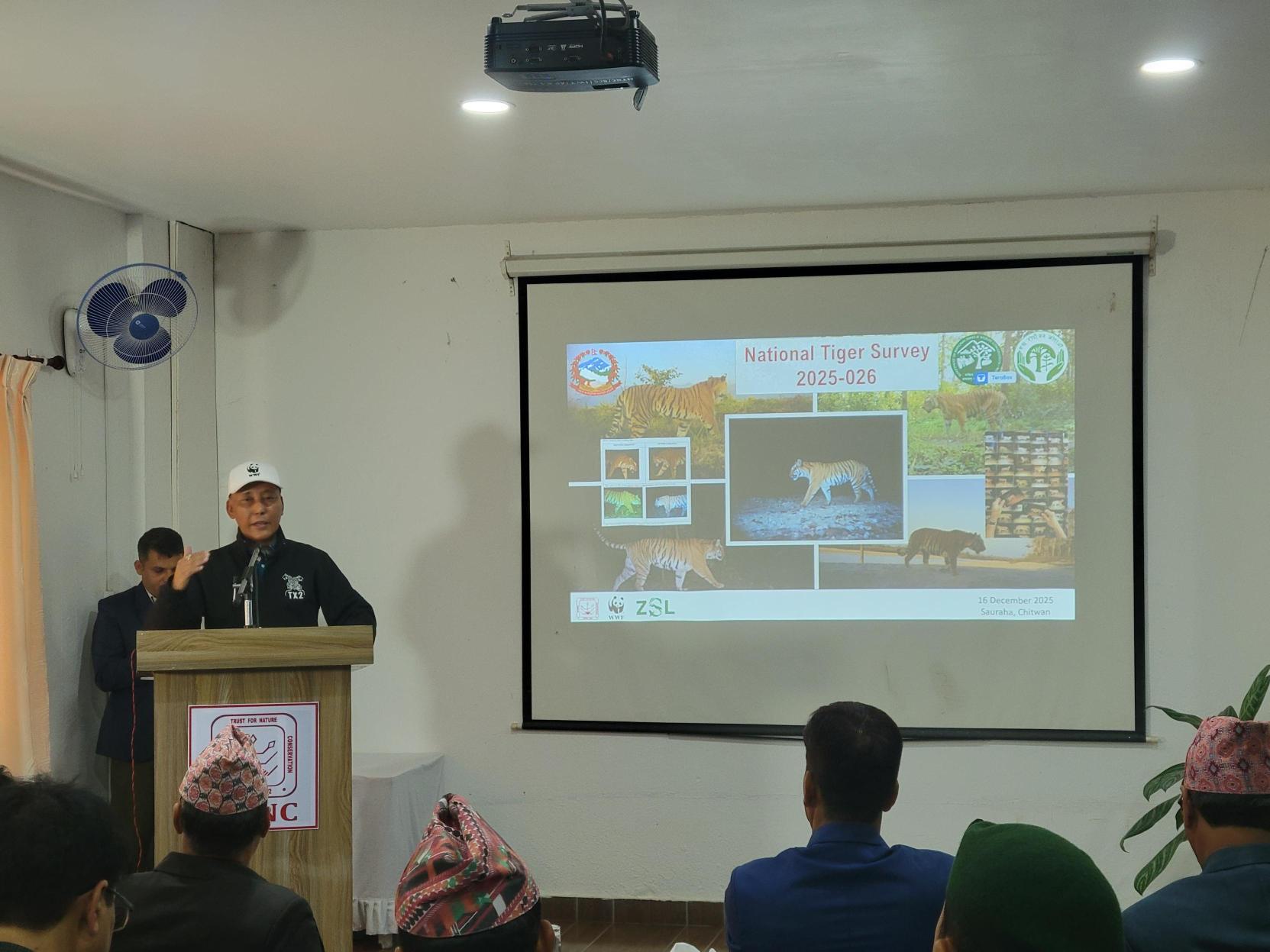
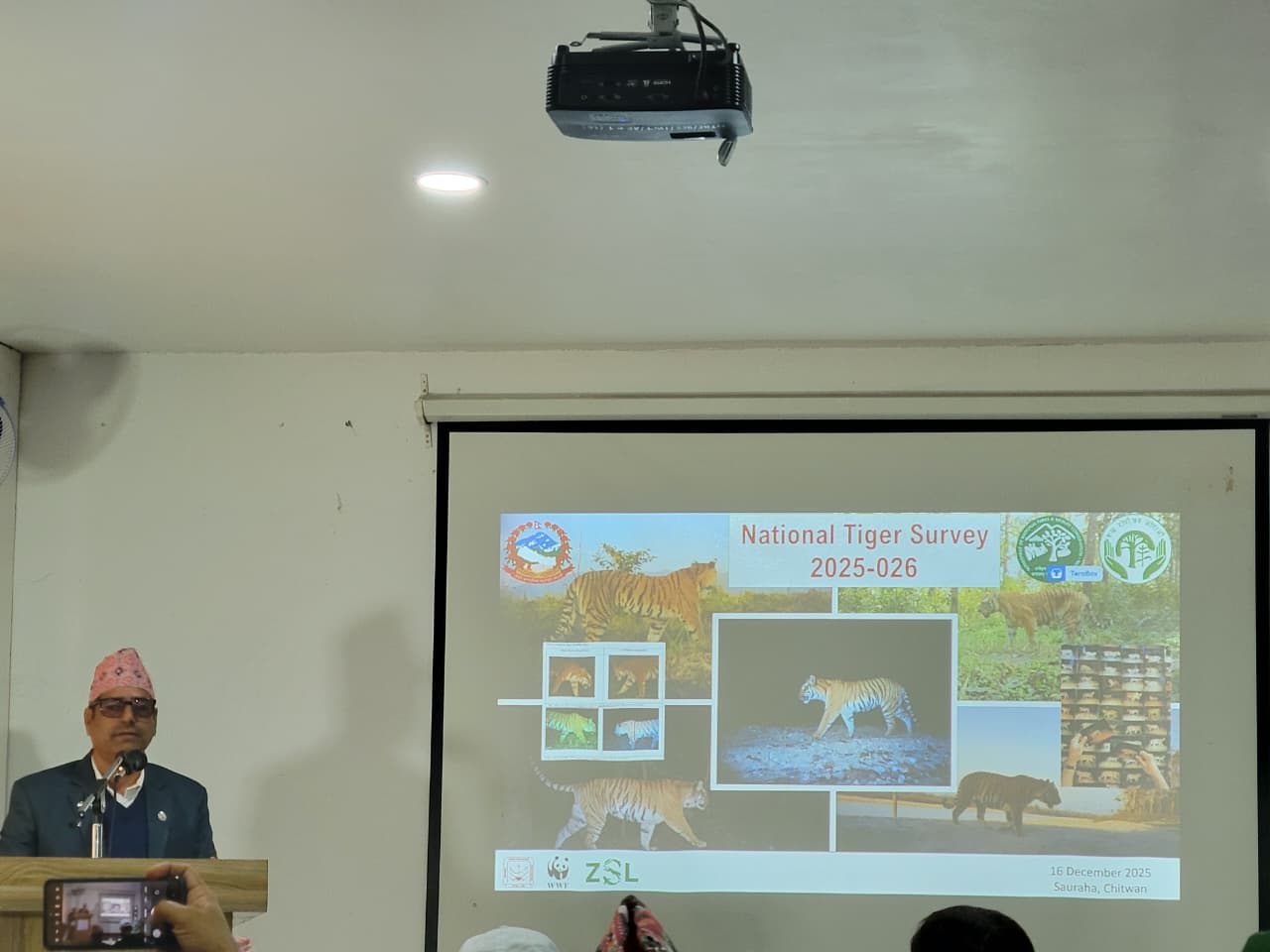
The Government of Nepal has officially launched the 5th National Tiger Survey through an inauguration program held at Chitwan National Park today. The survey will commence with the Chitwan-Parsa complex and gradually cover all tiger-bearing habitats across the country, including national parks, buffer zones, and forested landscapes outside protected areas.
The National Tiger Survey is governed by a Central Advisory Committee comprising senior representatives from the Department of National Parks and Wildlife Conservation (DNPWC), Department of Forests and Soil Conservation, Directorate of National Parks and Reserves- Nepali Army, National Trust for Nature Conservation (NTNC), WWF Nepal, and ZSL Nepal. A Technical Committee led by ecologists from DNPWC and partner organizations provides scientific oversight, while the field-level implementation will be carried out by teams from respective national parks, Division Forest Offices, the Nepali Army, and conservation partners.
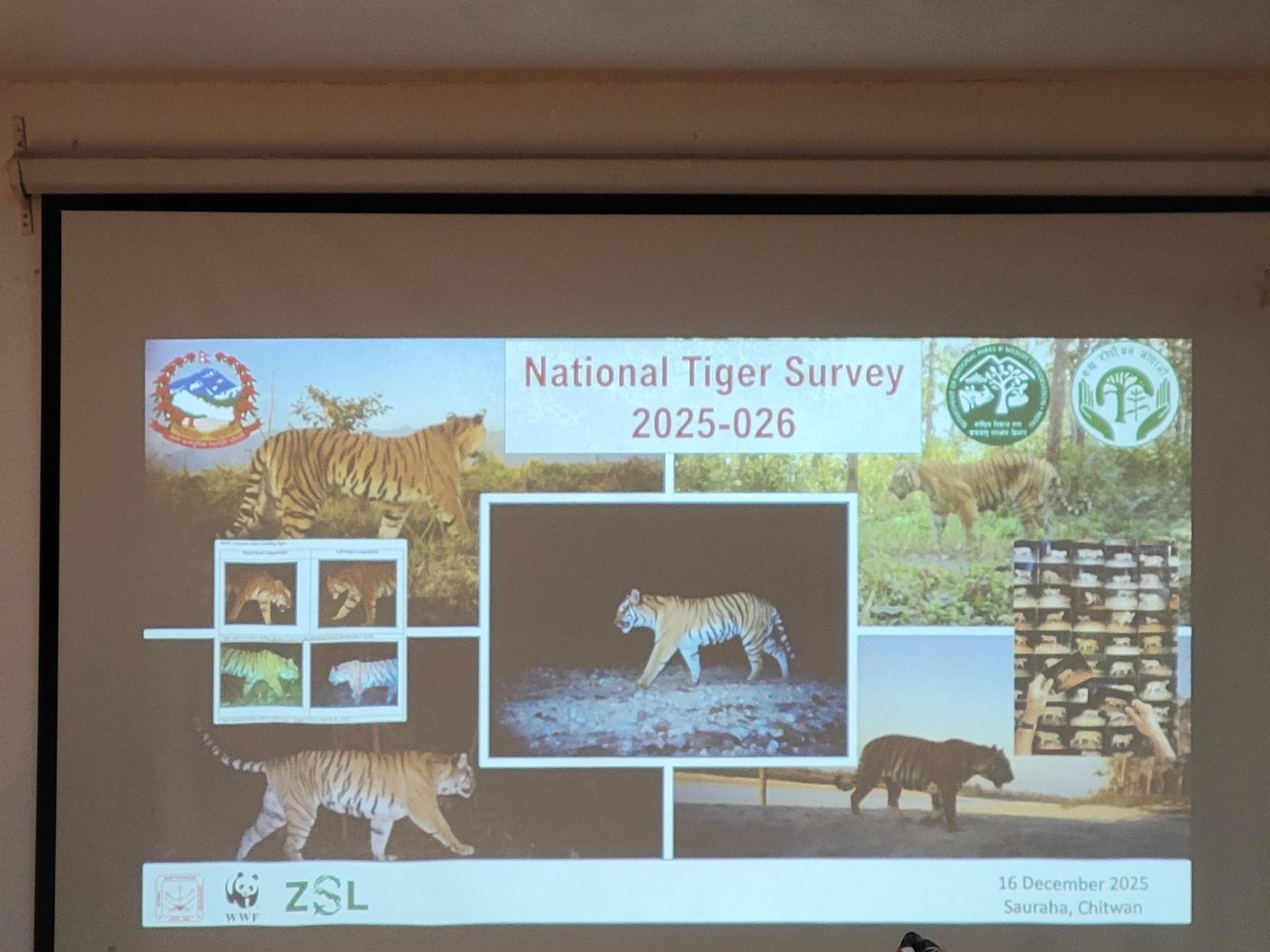
Guided by the national Tiger and Prey Base Monitoring Protocol, the survey will employ robust scientific methodologies including camera trapping and habitat occupancy surveys. Approximately 250 field-level staff will be mobilized for data collection, supported by the deployment of 1,100 camera traps across prioritized tiger habitats.
Nepal’s tiger landscapes are divided into three major complexes- Chitwan-Parsa, Banke-Bardia, and Shuklaphanta-Laljhadi, which together represent the country’s core tiger range. In addition to estimating population numbers, this survey will generate critical data on tiger density, spatial distribution, habitat use, and movement patterns, both inside and outside protected areas.
Nepal made global headlines in 2022 by achieving and surpassing its TX2 commitment, with an estimated 355 wild tigers, nearly tripling the population from the 2009 baseline. The 5th National Tiger Survey will be crucial in understanding how Nepal’s tiger population has fared since achieving TX2, and in identifying emerging conservation priorities in a changing landscape.
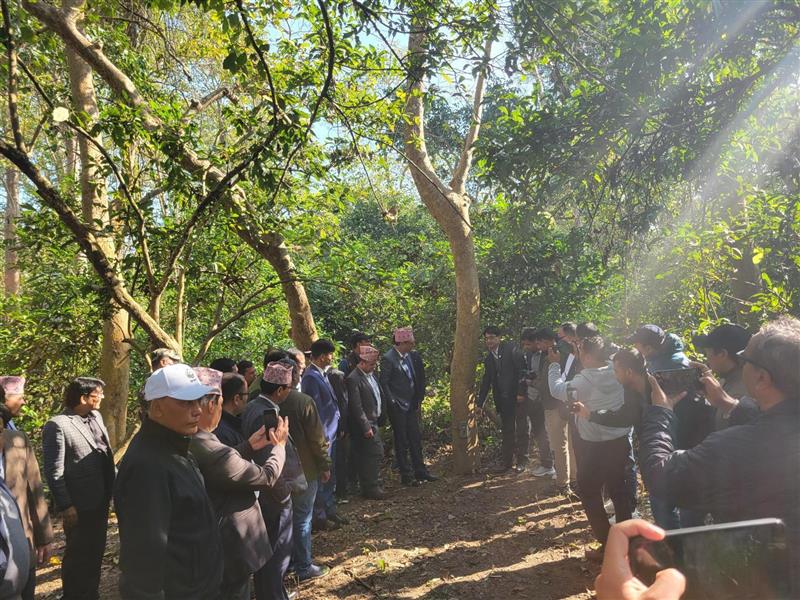
Importantly, this survey places equal emphasis on where tigers occur and how they move, not just how many there are. The findings will directly inform landscape-level conservation planning, habitat management, and strategies to mitigate human-wildlife conflict, particularly in areas outside protected boundaries where interactions between people and tigers are increasing.
“Nepal’s achievement of the TX2 goal was a historic milestone for global tiger conservation, but sustaining this success requires continued science-based action,” said Dr. Ghana S. Gurung, Country Representative, WWF Nepal. “This survey is critical not only to understand current tiger numbers, but to assess their distribution, density, and movement across landscapes. The results will guide the next phase of conservation efforts, including conflict mitigation and habitat connectivity, ensuring that people and tigers can coexist in the long term” he added.
The 5th National Tiger Survey is led by the Government of Nepal with technical and financial support from conservation partners including WWF Nepal, ZSL Nepal, and the National Trust for Nature Conservation. Within the WWF network, financial contributions have been provided by WWF Canada, WWF UK, WWF US, and WWF Germany, reaffirming strong international commitment to Nepal’s tiger conservation leadership.